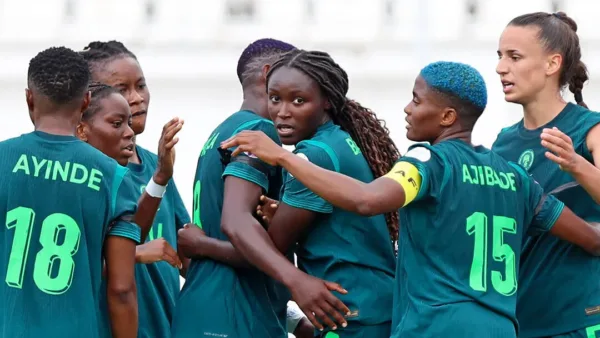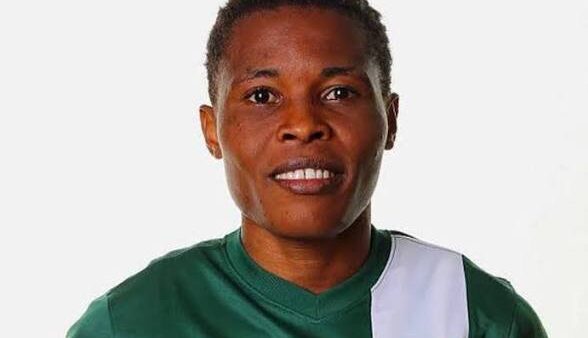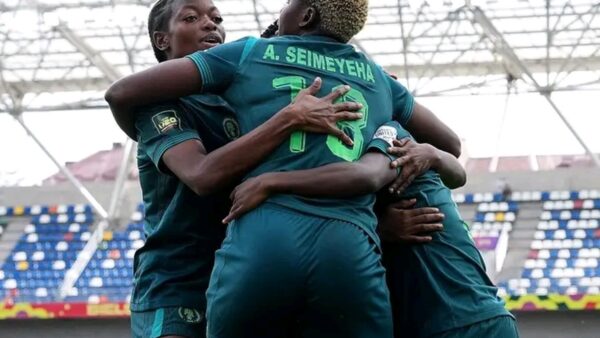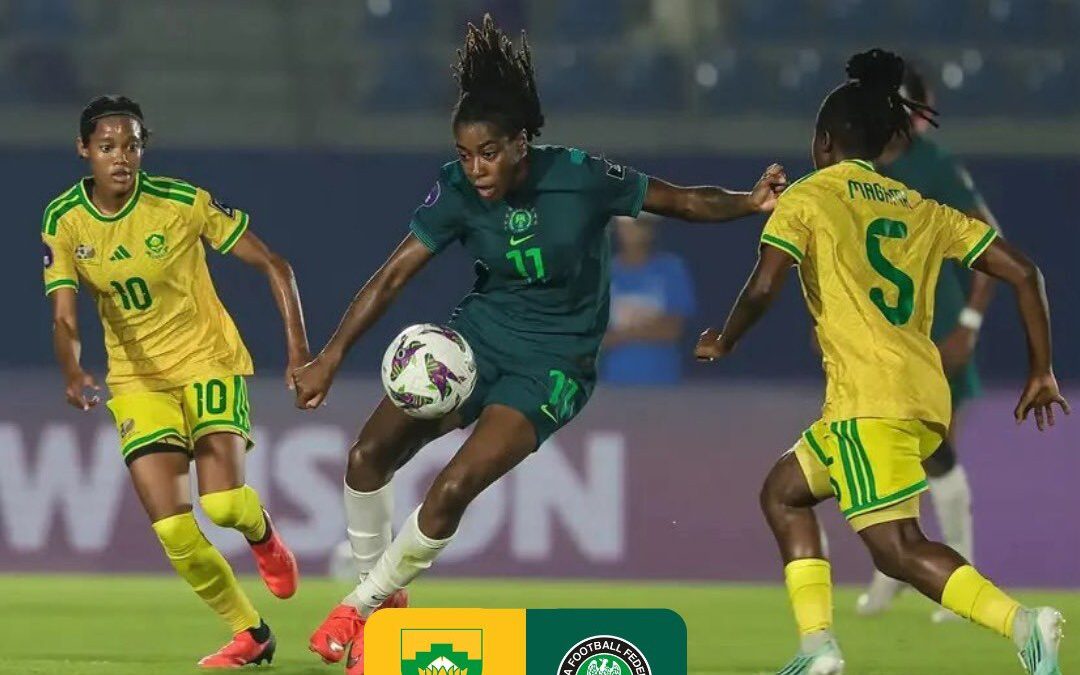
Super Falcons forward Rinsola Babajide has assured Nigerian fans that the team will rebound from its failure to qualify for the 2027 FIFA Women’s World Cup in Brazil, describing the setback as painful but not the end of the road.
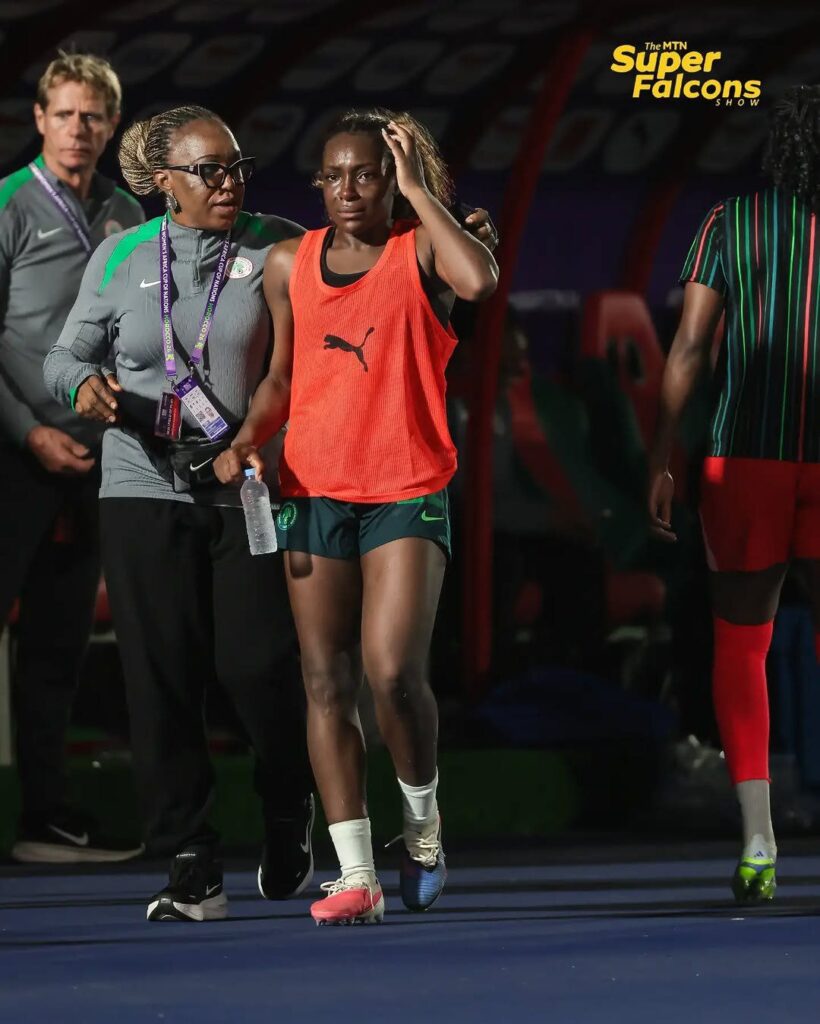
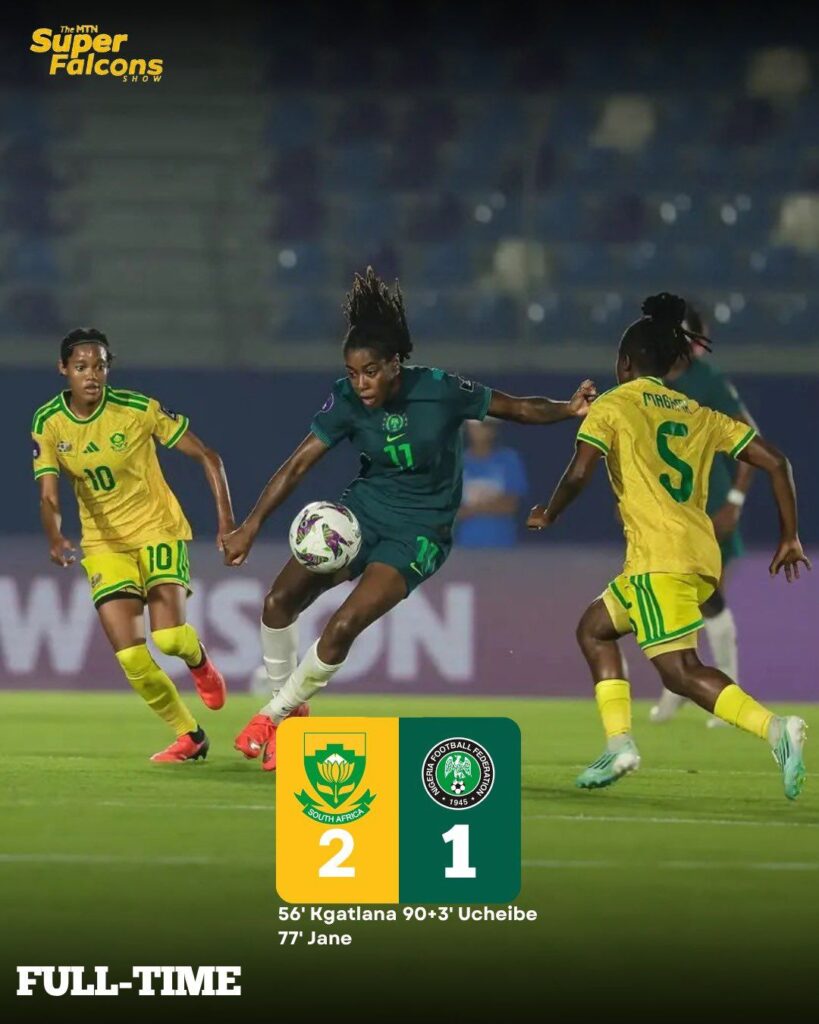
Nigeria’s hopes were extinguished on Thursday after a 2-1 defeat to South Africa in the CAF play-off in Casablanca, a result that confirmed the Super Falcons would miss the World Cup for the first time since the tournament’s inaugural edition in 1991. Consequently, a run stretching back more than three decades has come to an end, marking one of the most difficult moments in the history of Nigerian women’s football.
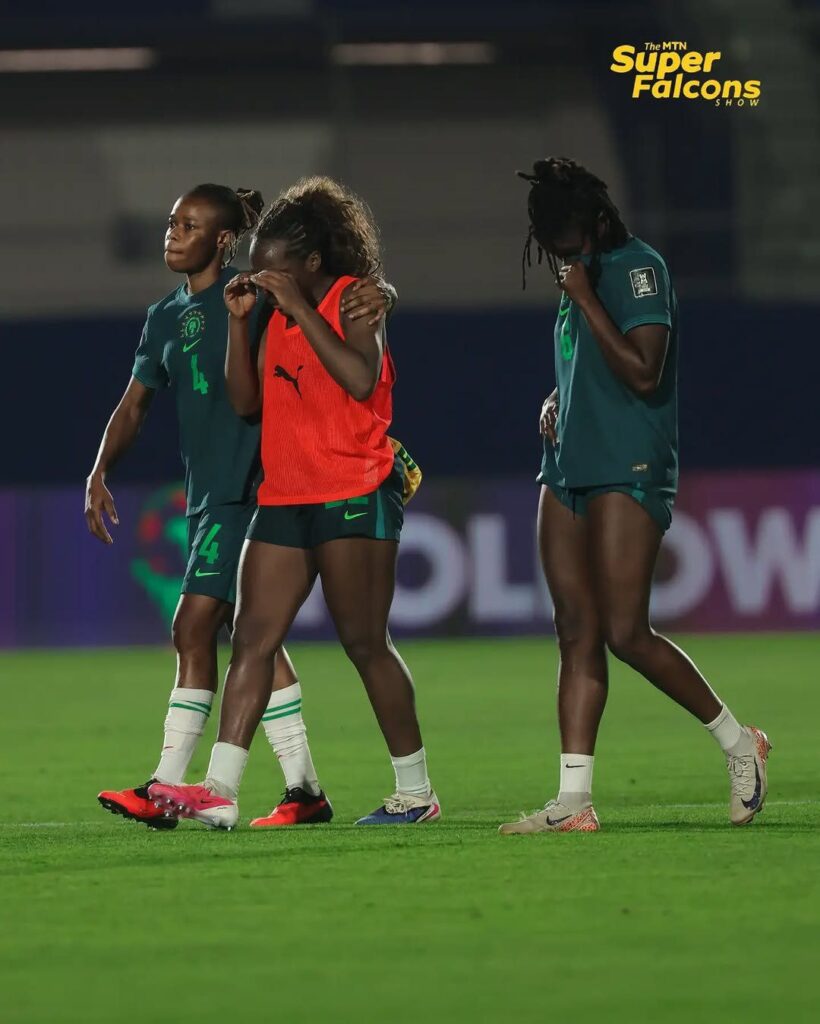
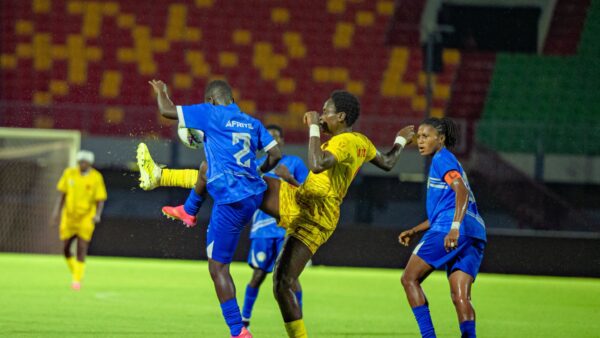
South Africa took the lead through Thembi Kgatlana in the 56th minute before Refiloe Jane doubled the advantage shortly after the hour mark. Nigeria were handed a route back into the contest in stoppage time when a VAR review awarded them a penalty and saw Jane sent off, and Christy Ucheibe duly converted from the spot.
However, the Super Falcons could not find a leveller as Banyana Banyana held firm to seal their passage to the intercontinental play-off tournament in November and December, where three remaining African World Cup slots will be decided.
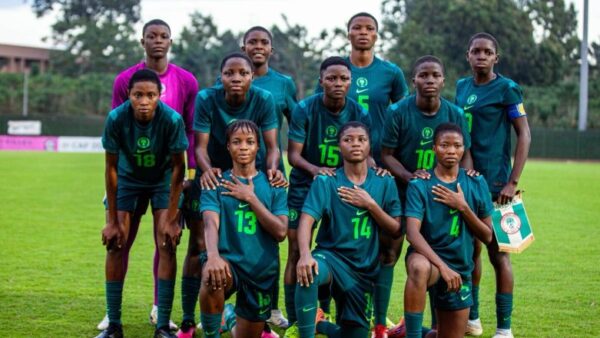
The road to Casablanca had already been complicated by a 1-0 quarter-final defeat to Cameroon at the 2026 Women’s Africa Cup of Nations in Morocco, a result that ended Nigeria’s record of reaching at least the semi-finals at every previous edition of the tournament and left the 10-time African champions with their worst-ever WAFCON finish. Nevertheless, the Super Falcons had shown character earlier in the competition, recovering from an opening 3-2 loss to debutants Malawi with wins over Zambia and Egypt to reach the knockout stage.
Reacting to the outcome on social media, Babajide, who featured for Nigeria throughout the tournament, described the experience as heartbreaking while insisting the team would find a way forward. She said she was grateful for the chance to represent her country at another WAFCON, even though results did not go as hoped. Babajide added that although the Super Falcons are down at the moment, they will bounce back in the way Nigerians know best, and that the focus now shifts to reflection and preparation for the Olympic qualifiers.
Her comments echoed those of captain Rasheedat Ajibade, who framed the disappointment as a wake-up call for Nigerian women’s football to raise its standards rather than rely on past reputation. The Paris Saint-Germain midfielder further noted that other African nations are closing the gap on Nigeria, urging her teammates to demand more of themselves both individually and collectively going forward.
Super Eagles followers, the Super Falcons’ World Cup miss lands as a sobering reminder that continental dominance can no longer be taken for granted across Nigerian football. Just as the men’s team has had to fight through a congested and increasingly competitive qualification landscape in recent cycles, the women’s programme is now facing similar scrutiny after a tournament that exposed cracks beneath a decorated history.
Babajide’s AS Roma pedigree and Ajibade’s PSG experience underline how much individual quality Nigeria still possesses abroad, yet the group’s failure to convert that talent into results in Morocco and Casablanca will likely fuel wider conversations about coaching, squad depth, and preparation across both the men’s and women’s national teams.
Attention for the Super Falcons now turns to the Olympic qualifiers, as referenced in Babajide’s message, while South Africa progress to the intercontinental play-off tournament later this year. Meanwhile, the Nigeria Football Federation is expected to review the campaign, following coach Justine Madugu’s own comments on the tournament’s outcome.
As a result, questions over technical direction and squad rebuilding are likely to dominate discussions in the coming weeks as Nigeria looks to restore its standing in African women’s football.