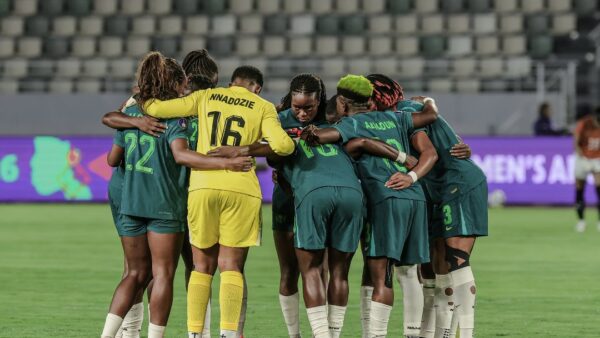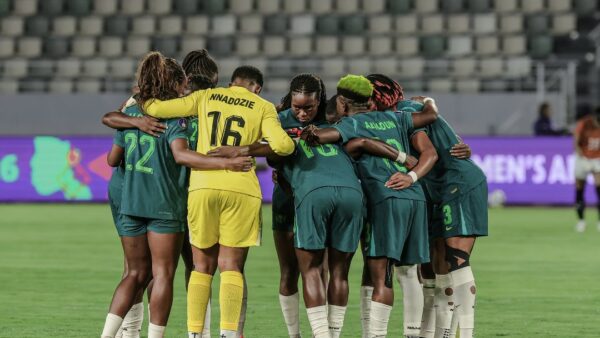
Nigeria’s quest to defend their Women’s Africa Cup of Nations crown got off to a nightmare start after a shock 3-2 defeat to tournament debutants Malawi in Rabat. The result stunned fans across Africa and immediately placed pressure on the Super Falcons ahead of their remaining group-stage matches.
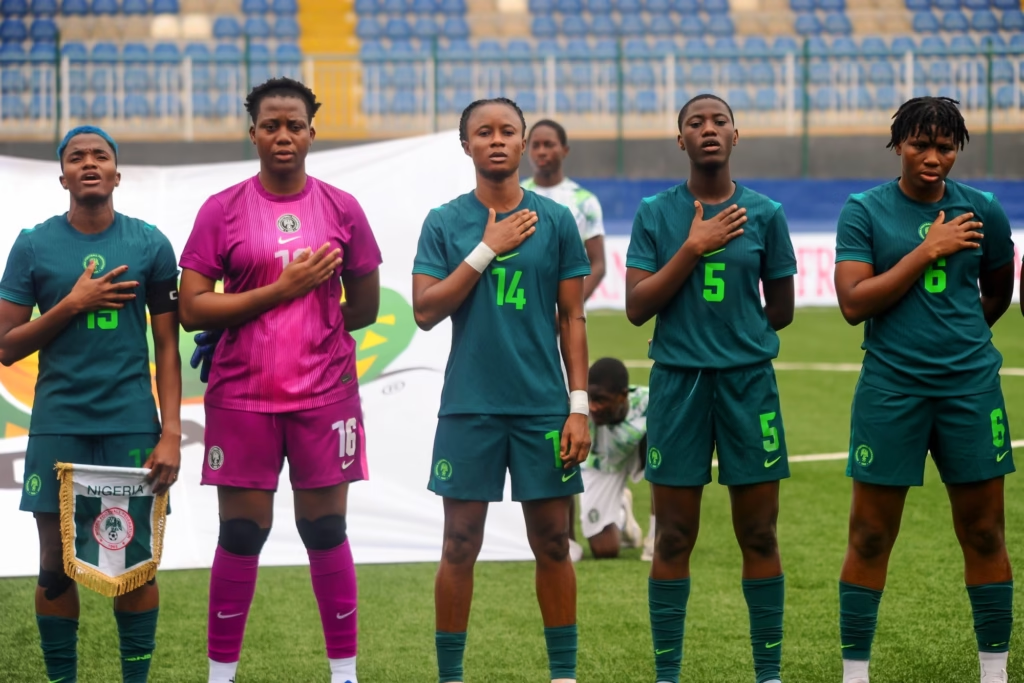
Coming into the tournament as defending champions and one of the favourites for the title, Nigeria were expected to begin with a comfortable victory. Instead, Malawi produced one of the biggest upsets in recent WAFCON history to leave Justine Madugu’s side with plenty to think about.
Here are five major lessons from the dramatic encounter.
Malawi are no longer African minnows
One of the biggest takeaways from the match is that Malawi deserve far more respect than many gave them before kickoff.
The Southern Africans may be making their WAFCON debut, but they showed quality, organisation and belief throughout the contest. Led by the talented Chawinga sisters and a group of fearless players, Malawi demonstrated why they qualified for the tournament and why they should not be underestimated.
Their victory was not based on luck alone. They punished mistakes, remained disciplined and capitalised on key moments.
Nigeria’s defence looked vulnerable
The Super Falcons have built their reputation on defensive solidity over the years, but that strength was largely absent against Malawi.
Conceding three goals in an opening group match is a worrying statistic for a team with ambitions of retaining the trophy. Communication problems, poor positioning and lapses in concentration were exposed by an energetic Malawi attack.
Madugu will know defensive improvements must arrive quickly if Nigeria are to avoid further complications in the tournament.
Pressure is now on Justine Madugu
The defeat instantly increases scrutiny on head coach Justine Madugu.
The experienced tactician arrived in Morocco with expectations of another successful campaign after guiding Nigeria to continental success previously. However, losing the opening game means every tactical decision and team selection will now come under greater examination.
While one result does not define a tournament, Nigeria’s margin for error has become significantly smaller.
Madugu will need a strong response from his players in the next fixture to prevent the pressure from growing further.
The Super Falcons still showed attacking promise
Despite the defeat, there were positive signs going forward.
Nigeria scored twice and created several opportunities throughout the match. The attacking unit showed flashes of quality and proved capable of causing problems whenever they moved the ball quickly through the final third.
The challenge now is turning those positive attacking moments into a more complete team performance.
If the Super Falcons can combine their attacking threat with improved defensive organisation, they remain capable of competing with the strongest teams in the competition.
Qualification is still within reach
Perhaps the most important takeaway is that Nigeria’s tournament is far from over.
Although the defeat represents a major setback, there are still enough matches remaining for the Super Falcons to recover and secure a place in the knockout rounds. WAFCON history is filled with teams that started slowly before finding form later in the tournament.
Nigeria still possess one of the most talented squads in Africa and have the experience needed to bounce back from disappointment.
However, the margin for error has disappeared.
The Super Falcons now face a crucial test of character. Their response to this defeat could determine whether they remain serious contenders for the title or become the biggest casualty of WAFCON 2026.
Malawi have the headlines, while Nigeria are left searching for answers after one of the most surprising results of the tournament so far.