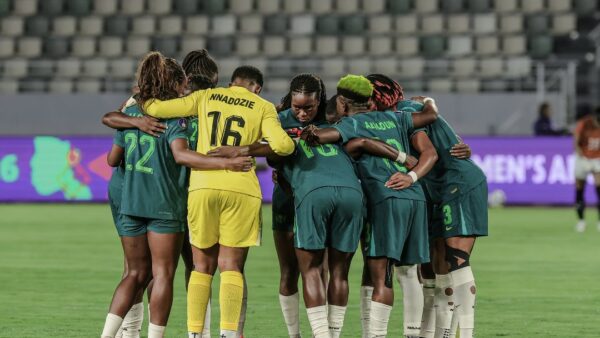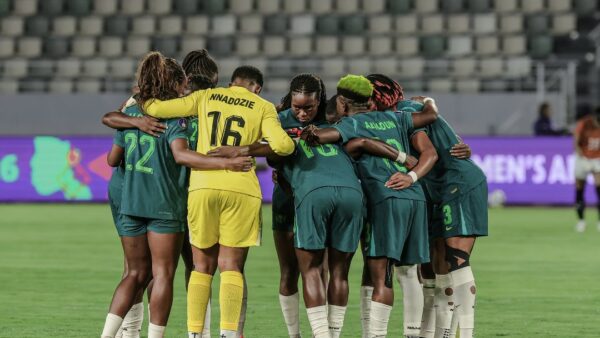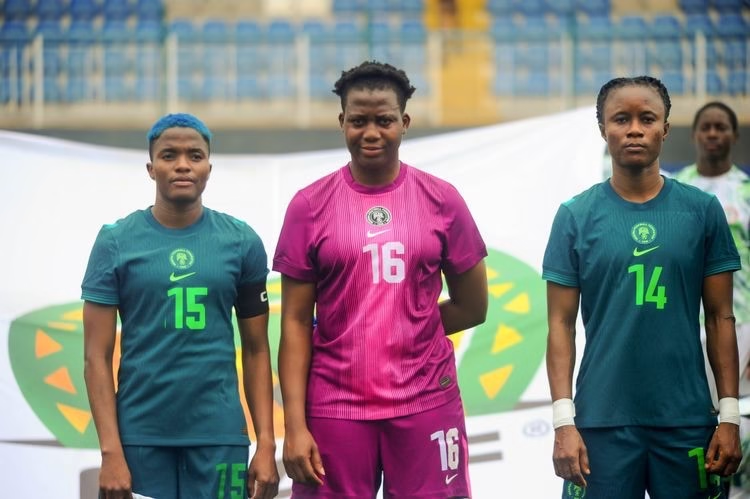
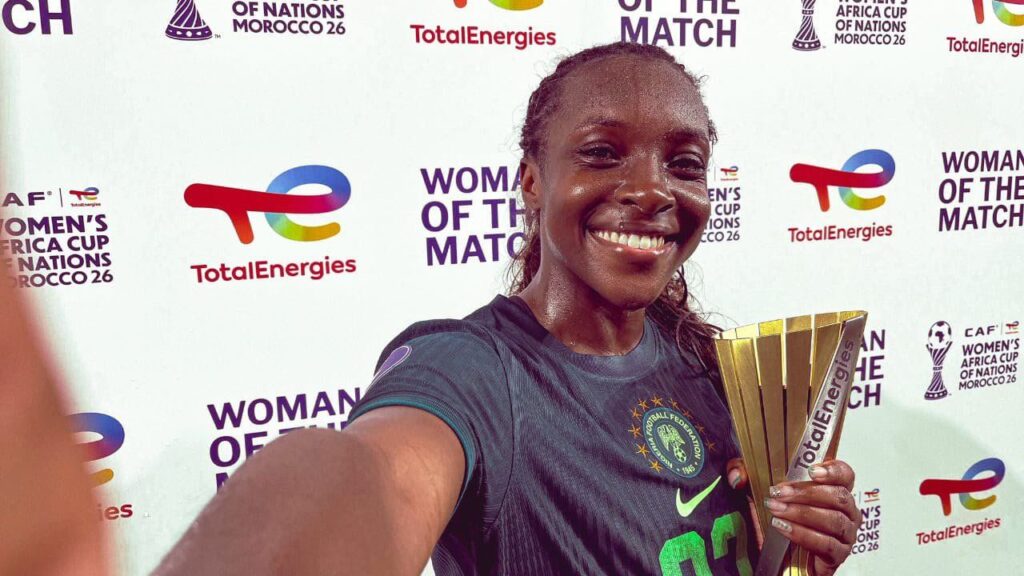
Super Falcons defender Michelle Alozie was selected for a routine doping test following Nigeria’s 1-0 victory over Zambia at the 2026 Women’s Africa Cup of Nations. The 29-year-old right-back had just been named Woman of the Match, and as a result, she was required to undergo the standard post-match procedure before leaving the stadium.

Alozie’s selection for testing came directly off the back of a commanding showing at the Al Madina Stadium in Rabat. Nigeria had gone ahead through Asisat Oshoala inside the opening ten minutes, and following this, the Super Falcons were reduced to ten players after Tosin Demehin’s first half red card. Despite the setback, Alozie held firm at the back, and consequently, she was singled out as the standout performer once the final whistle sounded.
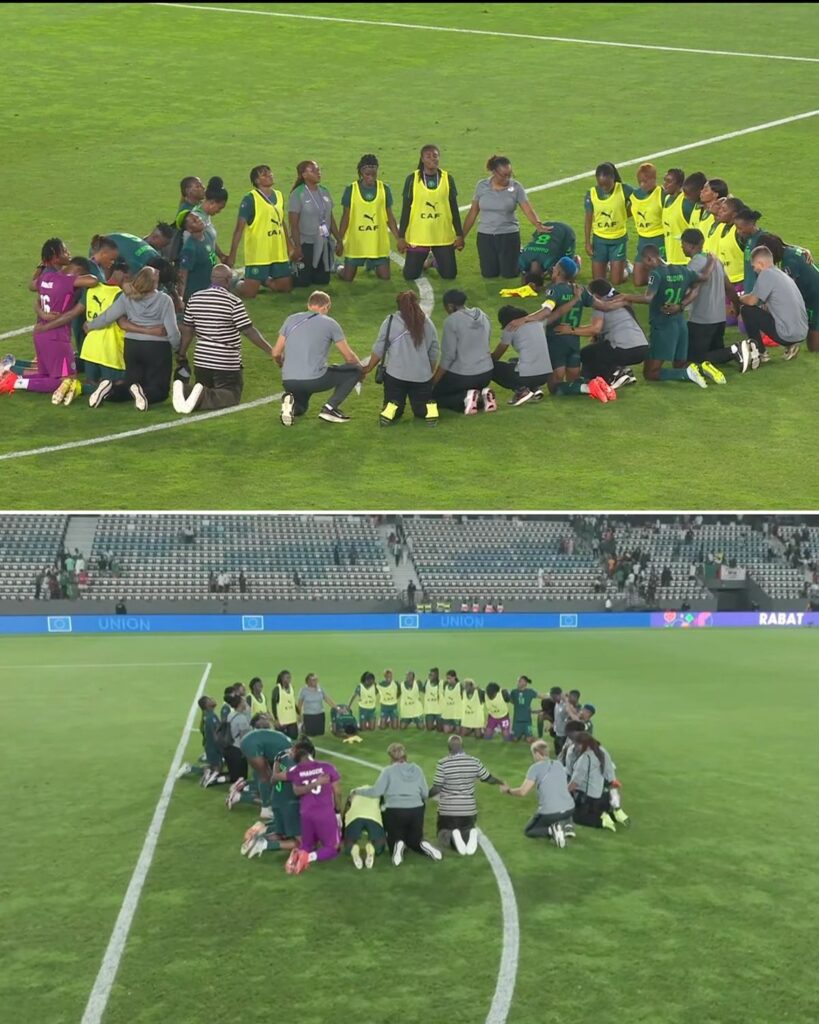
However, the recognition came with an extended stay at the venue. The doping process meant Alozie remained at the stadium long after most of her teammates had already departed, making her one of the last people connected to the match to leave.
Meanwhile, she later spoke about the experience in an interview with a CAF-accredited journalist, confirming that the test had taken place as a direct result of her Woman of the Match award.
The news adds further weight to what is already being viewed as one of the individual performances of the tournament so far. Alozie’s display, delivered while playing much of the match a player short, has drawn comparisons to elite defenders in the men’s game.
In addition, the doping test itself is a routine but notable marker of the scrutiny that comes with delivering standout performances on the continental stage, and therefore, it underlines just how central Alozie has become to Justine Madugu’s defensive setup.
Attention now turns to Nigeria’s final Group C fixture against Egypt on Wednesday night, a match that will likely decide their route into the knockout stage.
As a result, Alozie’s workload and recovery will be closely monitored in the build-up, given how physically demanding her display against Zambia proved to be.