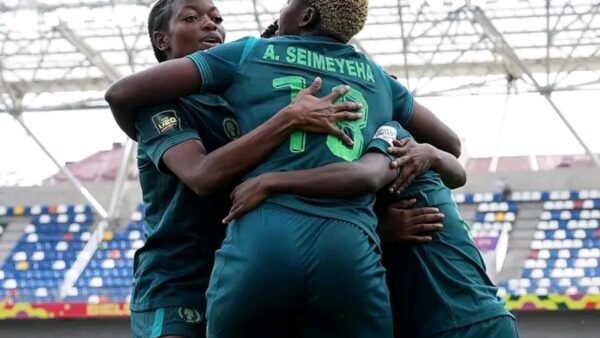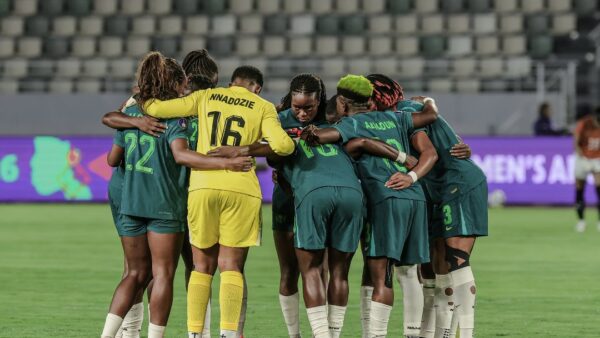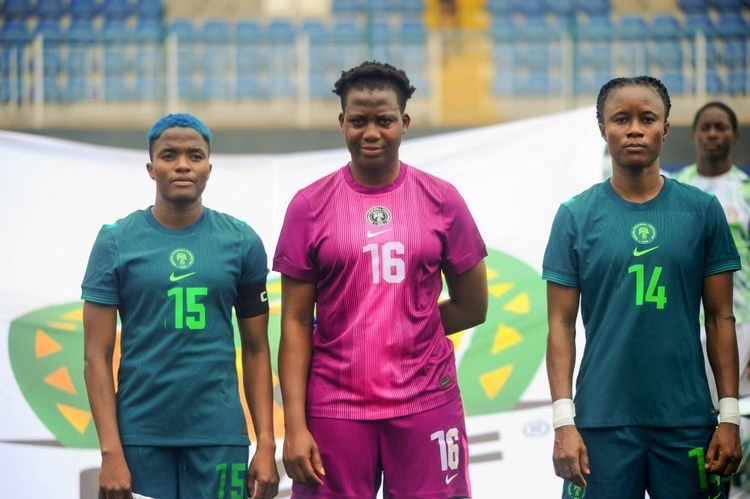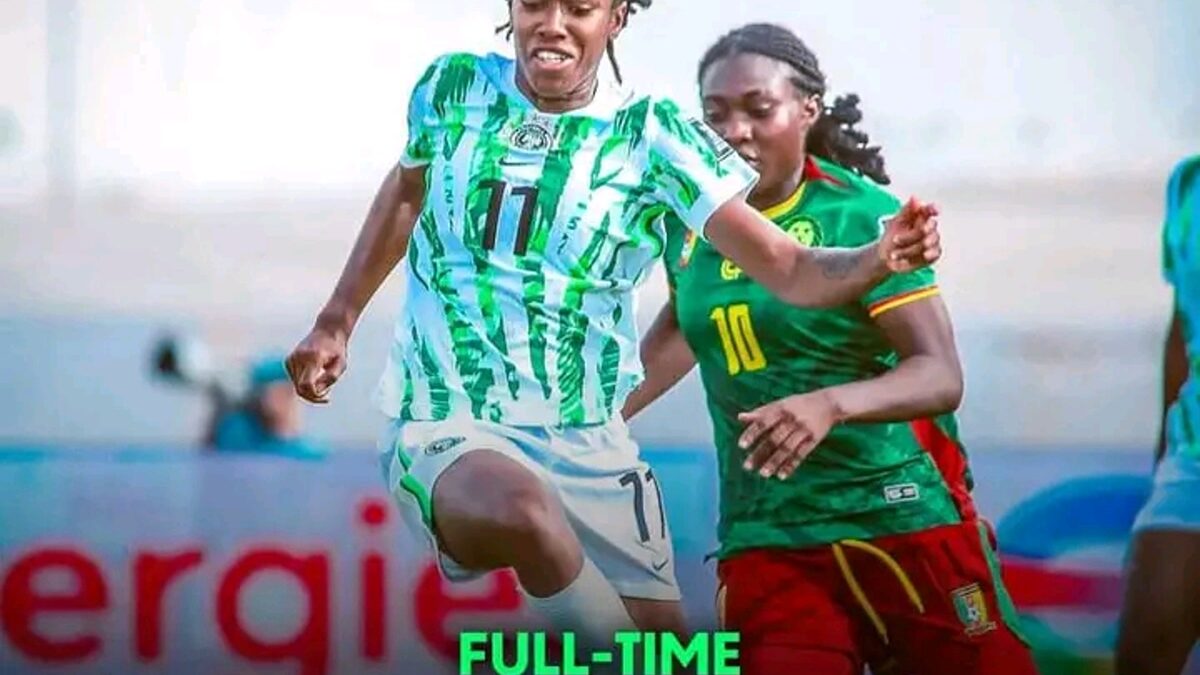
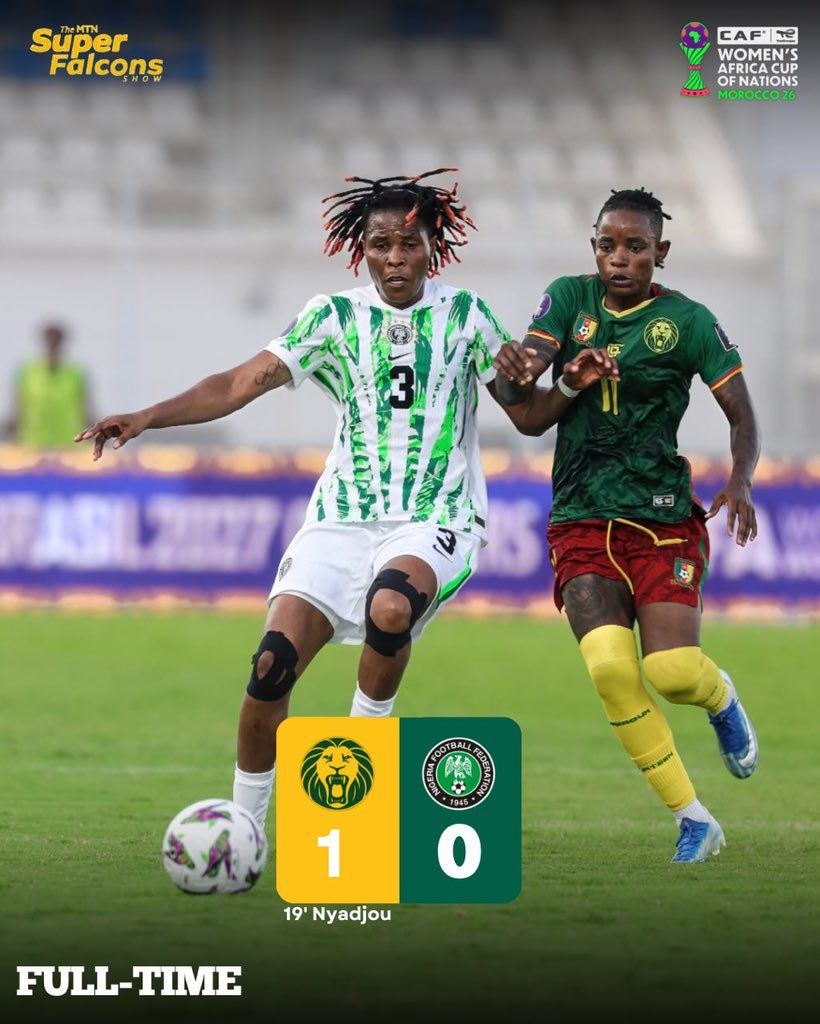
Nigeria’s Super Falcons have crashed out of the 2026 Women’s Africa Cup of Nations after a 1-0 quarter-final defeat to fierce rivals Cameroon at the Stade Larbi Zaouli in Casablanca on Sunday. The result brings an abrupt end to Justine Madugu’s side’s bid to defend the title they won against Morocco at the previous edition of the tournament.
Cameroon settled the contest early, with Myriam Maéva Nyadjou Wamen breaking the deadlock through a stunning free-kick in the 19th minute to hand the Indomitable Lionesses a lead they would not relinquish. Nigeria pushed for an equaliser throughout the remainder of the encounter, however, they were unable to breach a resolute Cameroonian defence despite their efforts to force the game into extra time. As a result, Cameroon held on to claim just their second competitive victory over Nigeria in WAFCON history and book their place in the semi-finals.
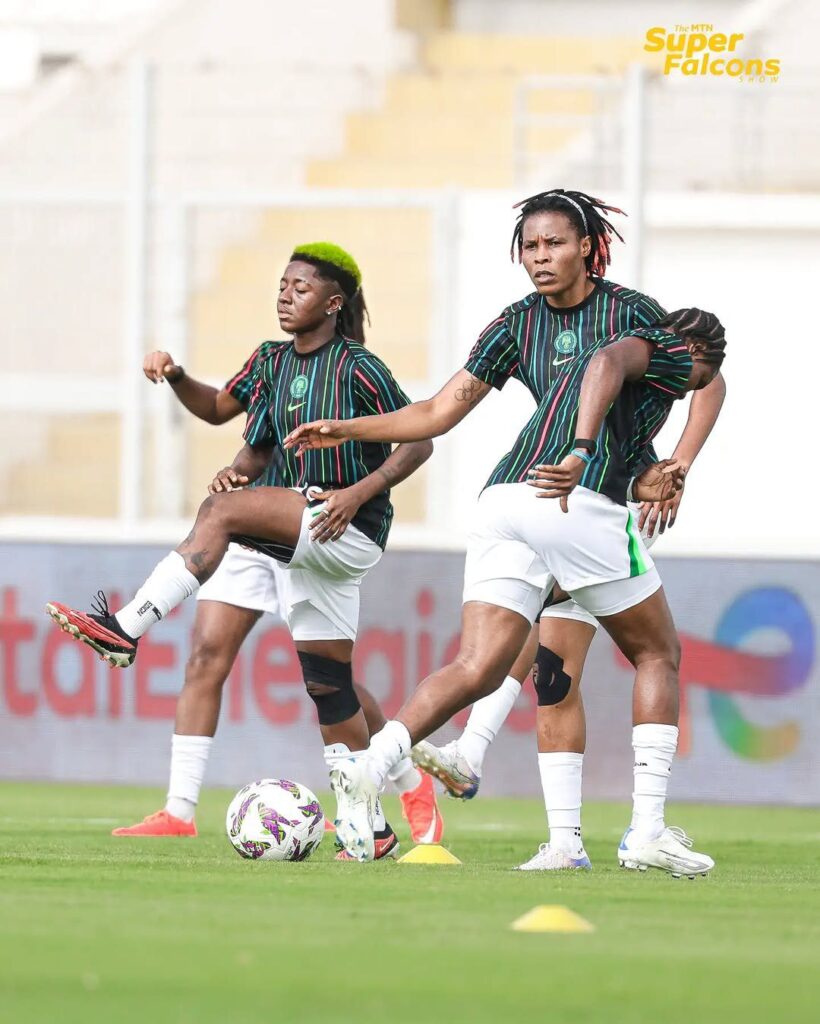
The defeat is particularly striking given the historical weight of the fixture. Nigeria had eliminated Cameroon in four consecutive previous WAFCON knockout meetings, including the 2016 final, the 2018 semi-final on penalties, and the 2022 quarter-final in the same city through a Rasheedat Ajibade strike.
Furthermore, the two sides had met twice already this year in friendlies, with Cameroon winning the first leg before Nigeria responded with a 3-1 victory in the return fixture, results that had appeared to favour the Super Falcons heading into Sunday’s showdown.
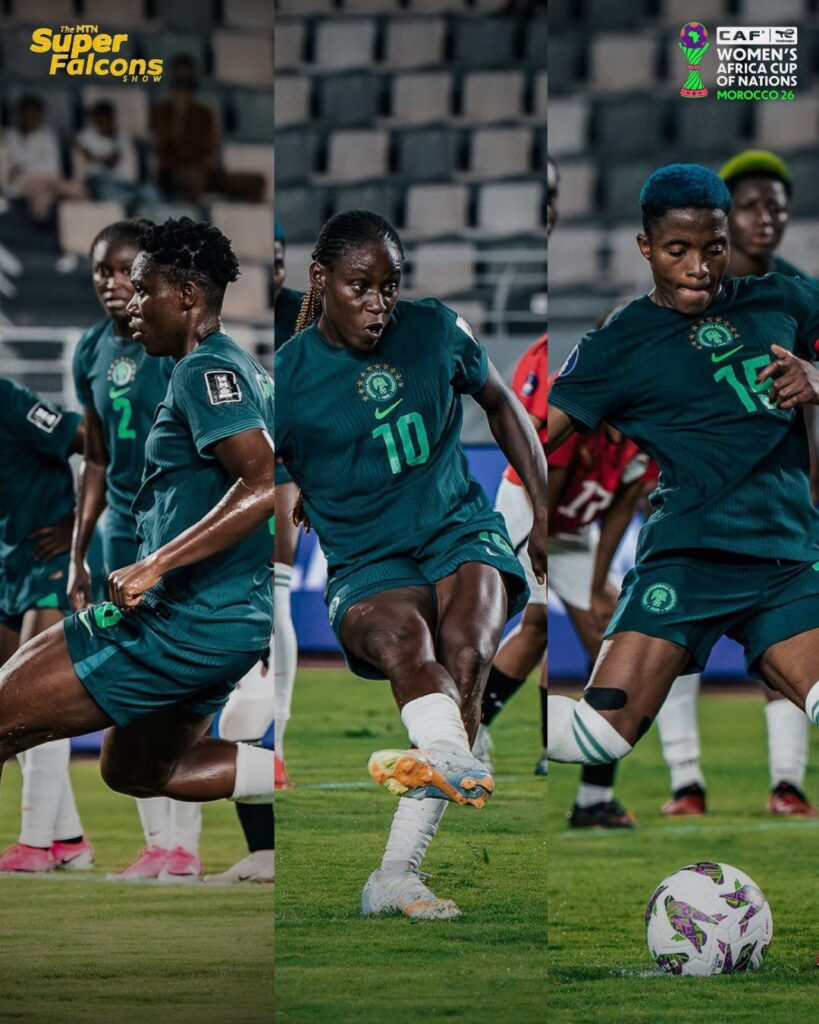
Beyond the immediate disappointment of the tournament exit, the loss carries significant consequences for Nigeria’s path to next year’s global showpiece. Only the four WAFCON semi-finalists earn automatic qualification to the 2027 FIFA Women’s World Cup in Brazil, meaning the Super Falcons will now miss out on a direct route to the tournament for the first time in nearly a decade.
Consequently, Nigeria will have to negotiate a play-off route, with a clash against South Africa scheduled for Thursday in Casablanca offering a place in the inter-confederation play-off tournament as consolation.
Meanwhile, the result compounds a difficult year for Nigerian football on the international stage. The setback follows the Super Eagles’ failure to qualify for the 2026 FIFA World Cup in North America, meaning both of the country’s flagship national teams have now missed out on direct qualification for their respective global tournaments in successive campaigns.
However, Nigeria’s squad, built around the core that lifted the trophy at the last edition, including captain Rasheedat Ajibade, goalkeeper Chiamaka Nnadozie and forward Asisat Oshoala, will now have to regroup quickly ahead of Thursday’s must-win playoff tie.
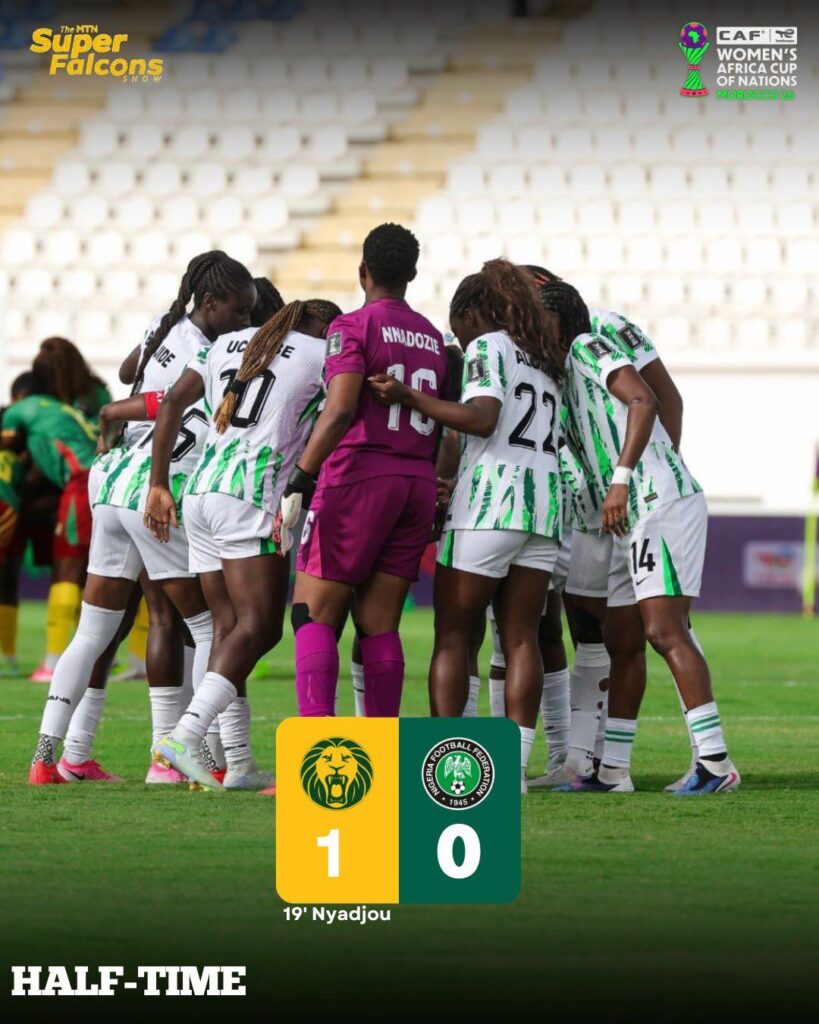
For a nation accustomed to Super Falcons dominance in this fixture, Sunday’s outcome marks a rare and painful reversal against a team Nigeria had beaten nine times in open play and twice more via penalties across their WAFCON history. As a result, questions are likely to follow regarding the team’s defensive frailties this tournament, having already conceded five goals in the group stage, their highest total at a single WAFCON edition.
Nevertheless, Nigeria remain Africa’s most successful women’s national team, and attention will now turn to whether Madugu’s squad can regroup swiftly enough to salvage their World Cup ambitions through the play-off route.
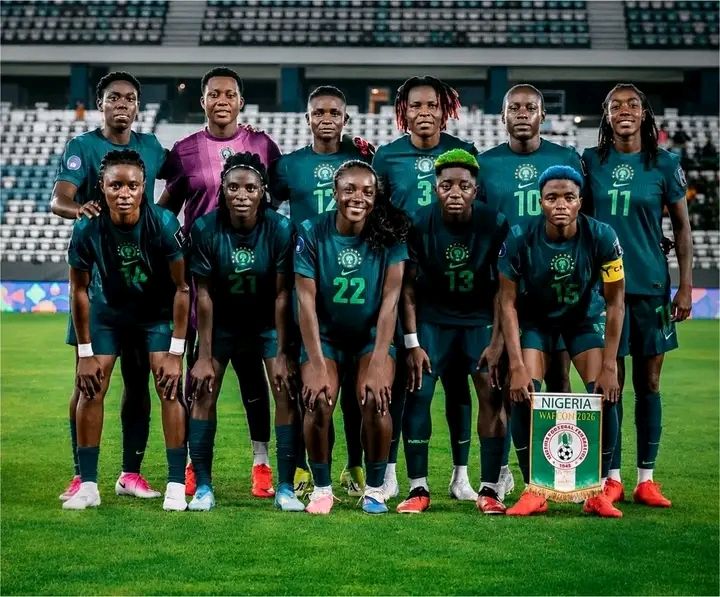
Nigeria will face South Africa on Thursday in Casablanca, with a place in the intercontinental play-off tournament for the 2027 World Cup at stake. Cameroon, meanwhile, advance to the WAFCON semi-finals and have already secured their automatic ticket to Brazil 2027, setting up a new chapter in a rivalry that has now swung, if only once, in the Indomitable Lionesses’ favour.