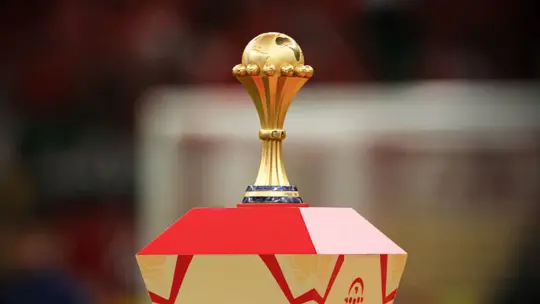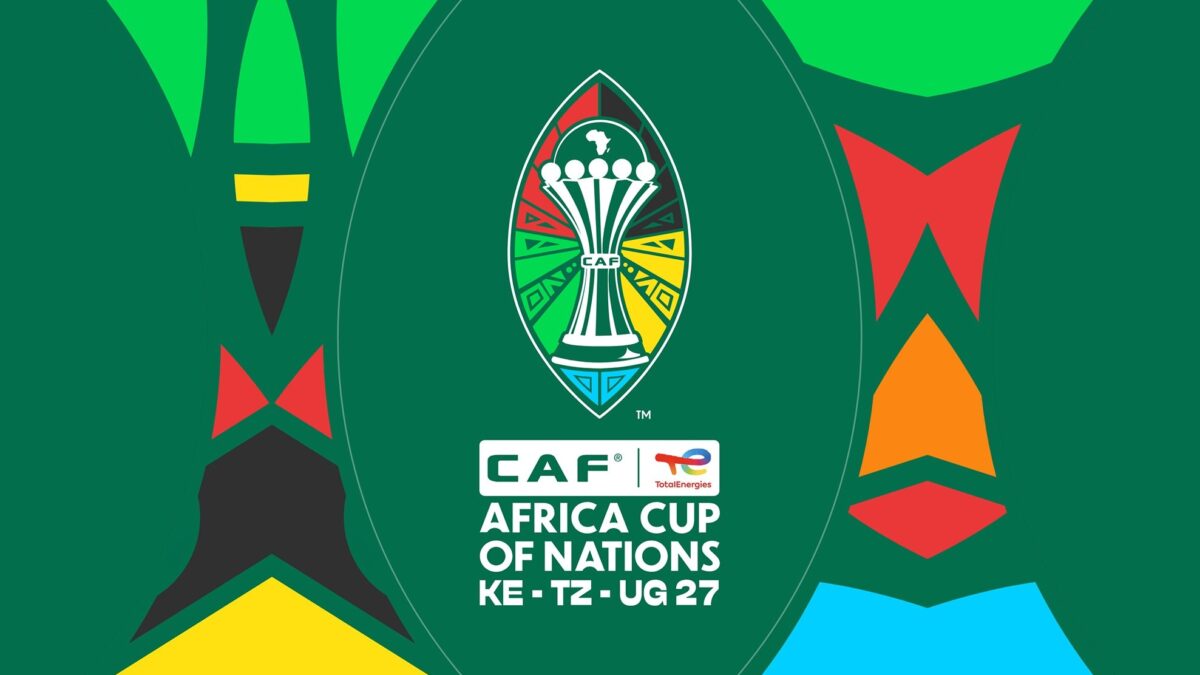
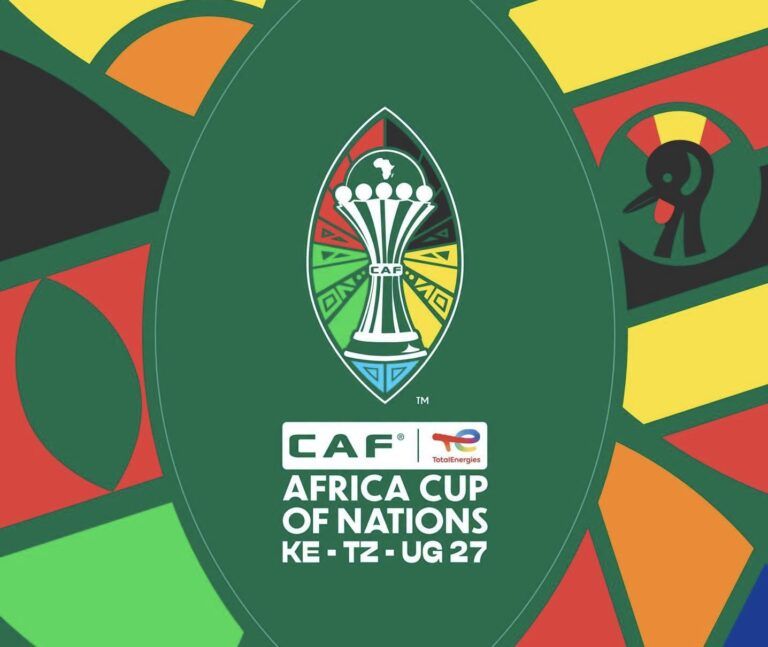
CAF has unveiled the official logo for the 2027 Africa Cup of Nations. The design is built around a traditional East African shield, and the tournament will carry the name PAMOJA. It is the first AFCON to be hosted jointly by Kenya, Tanzania and Uganda.
The logo went live in all three host countries on Thursday, 19 November, at 1pm local time. According to CAF, the launch came 212 days before kickoff on 19 June 2027. The tournament runs until 17 July.
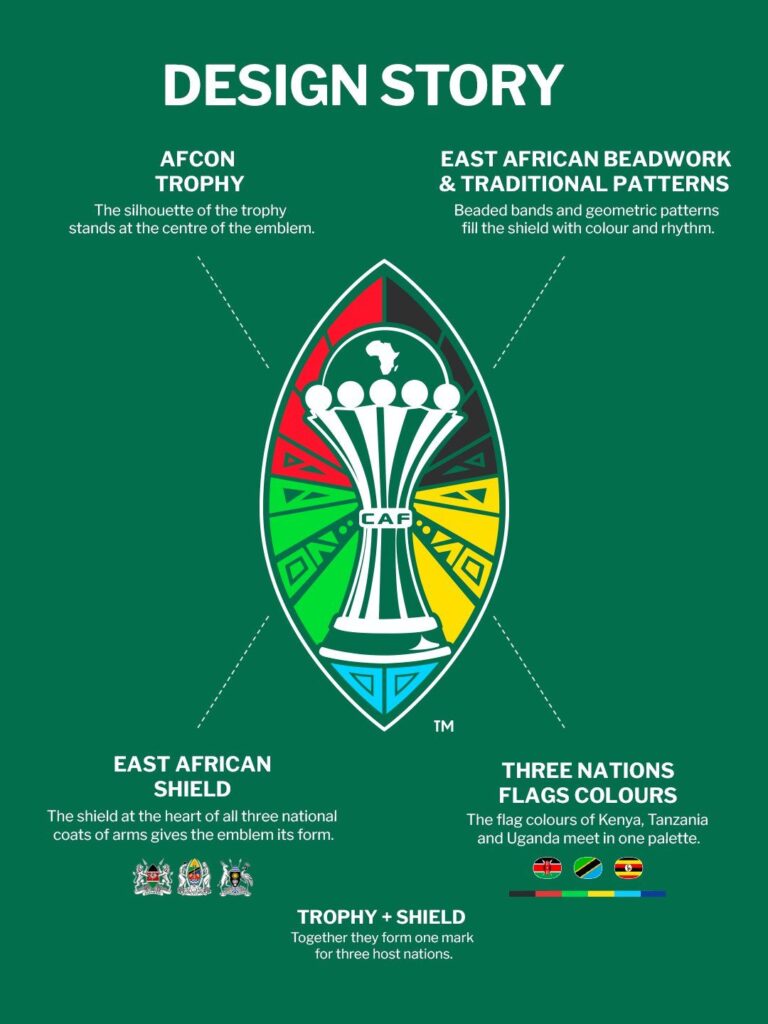
For the hosts, it is a big moment. The logo is the anchor of the tournament’s brand identity, so it marks the start of the real countdown. CAF says it chose the shield because of what it means in East Africa. The symbol stands for identity, protection, pride and belonging.
It also appears in the national coats of arms of all three host countries, which makes it a natural link between them.
The structure is formed by two intersecting circles of equal size. In addition, the design uses colourful beadwork and geometric patterns inspired by East African textiles and weaving.
Beyond the main emblem, CAF has introduced 12 shield patterns, each reflecting the character of the host nations. Kenya’s patterns use bold horizontal bands, which represent strength, heritage and belonging.
Tanzania’s design uses diagonal lines inspired by its national flag, and they stand for movement, land and water.
Uganda’s, meanwhile, uses warm layered colours and the crested crane, celebrating national pride and culture. The name PAMOJA is Swahili for “together”, and the language is spoken across all three countries.
CAF says it reflects the spirit of cooperation between the hosts. The launch also came with a slogan about honouring the past, celebrating culture and embodying the Africa of tomorrow.
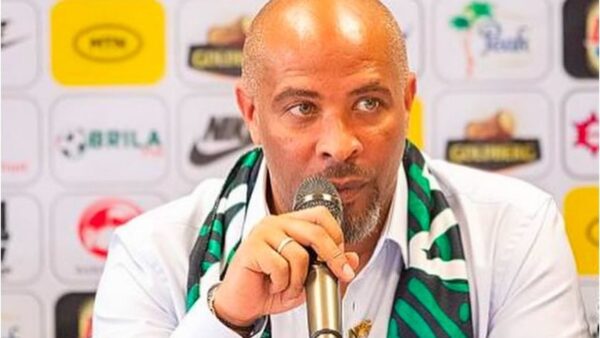
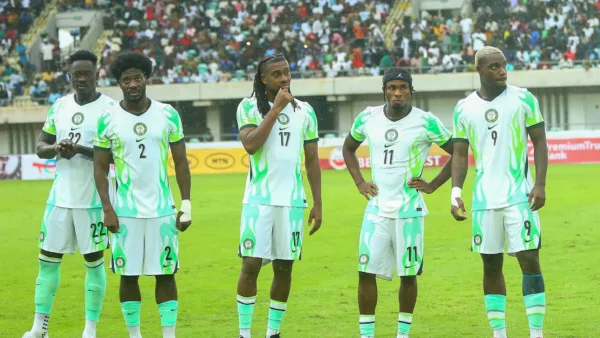
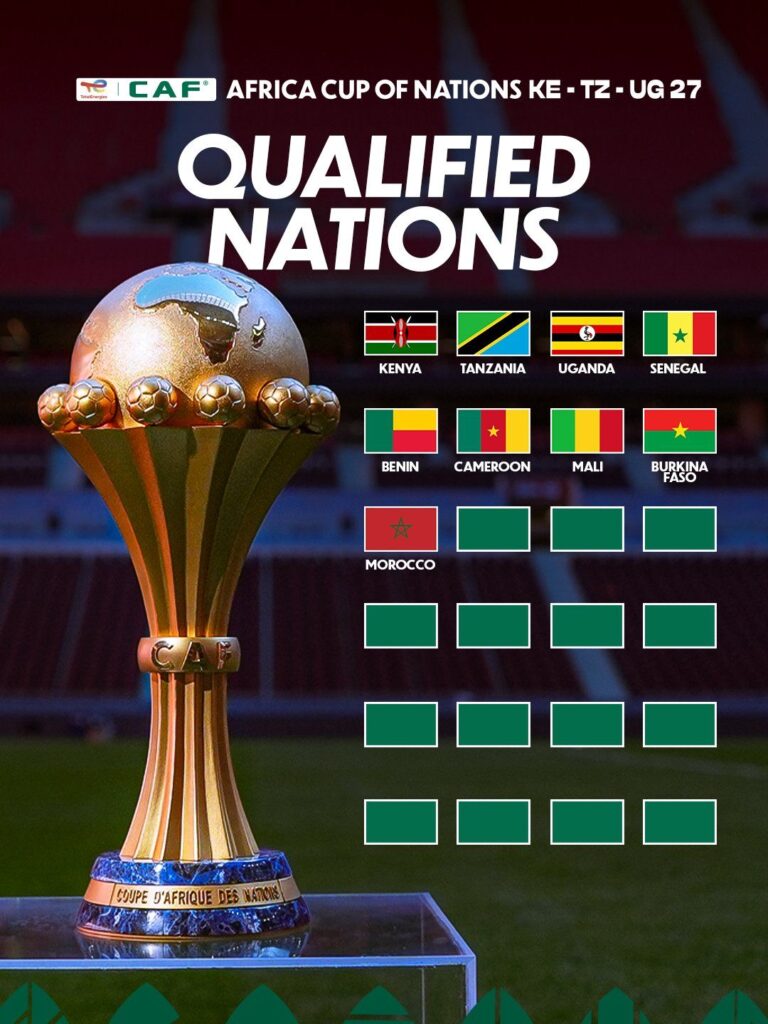
The Super Eagles are still fighting for a place at the tournament in Group L, and they went through a double-header against Tanzania this month. Tanzania, as co-hosts,
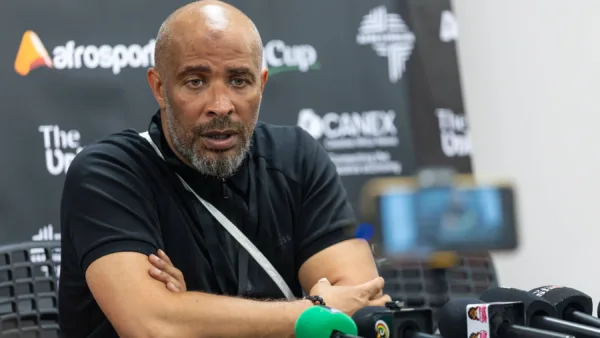
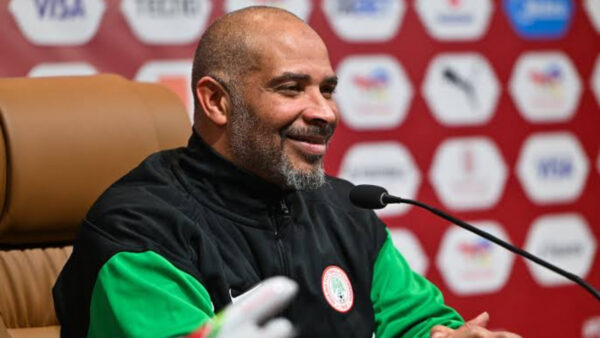
have already qualified. Even so, there is plenty of time to get it right. With seven months to go, every qualifying point still counts for Eric Chelle’s side.
Now that the logo is out, more of the tournament’s identity should follow, including the other elements of its branding. The draw and the final qualifiers will then shape the field.
Eventually, the East African hosts will welcome Africa’s best. Nigeria will be hoping to be among them.