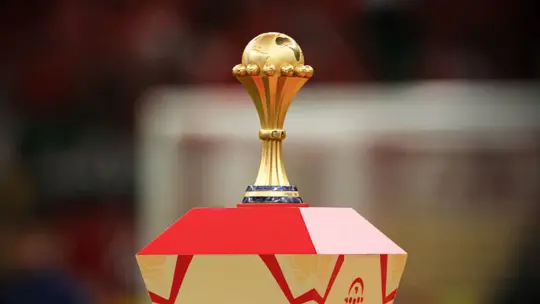
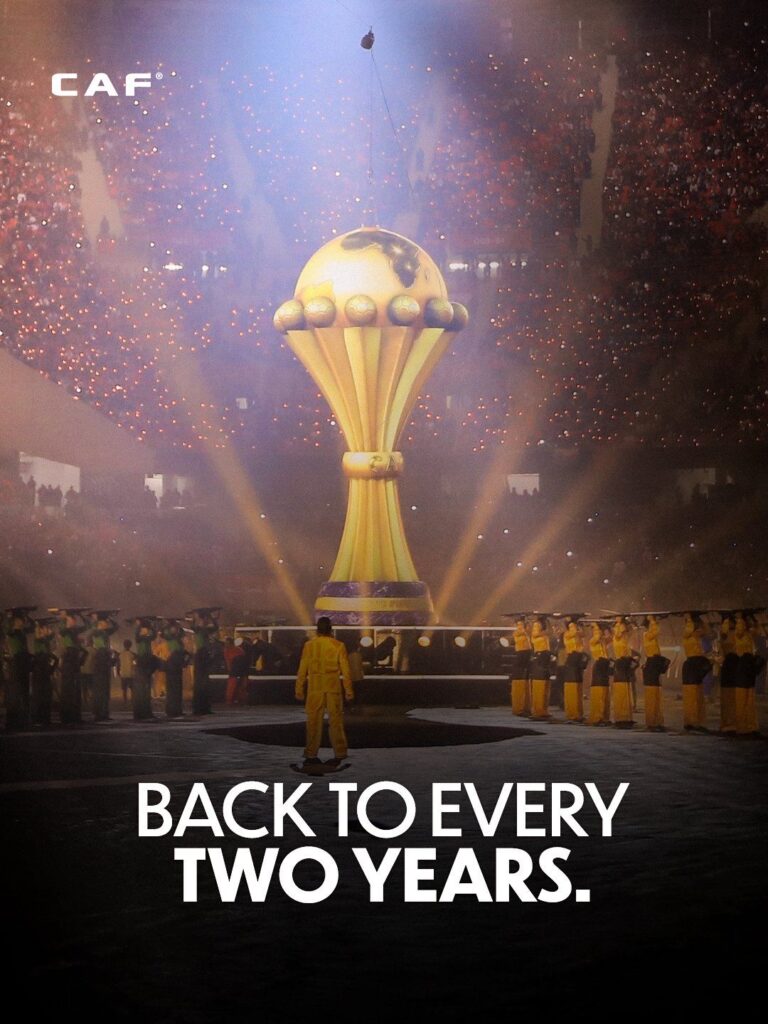
The Africa Cup of Nations will be played every two years again. CAF confirmed on Thursday that its Executive Committee voted unanimously to scrap the four-year cycle it announced last December.
Before that, the plan looked settled. A new Africa Nations League was meant to take over as the main continental competition, with AFCON moving to a four-year rhythm.
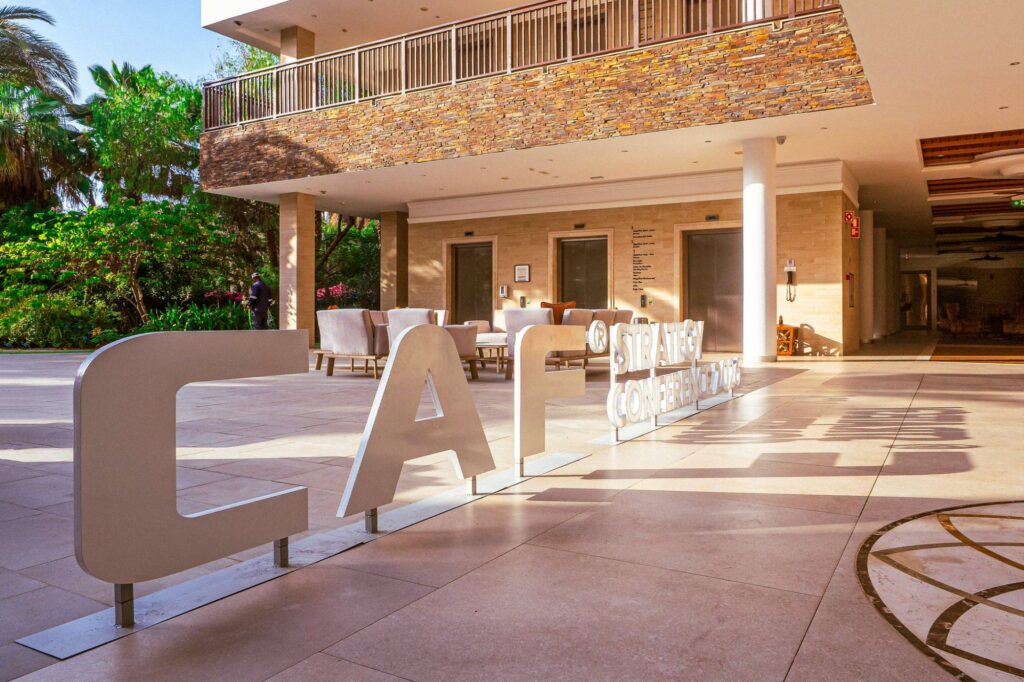
Then Patrice Motsepe told the CAF Strategy Conference in Cabo Verde earlier this month that the committee would take another look.
That review ended in a U-turn. According to CAF, the new Africa Nations League would take several years before it could bring in the money the confederation needs. As a result, the committee chose to keep AFCON on a two-year schedule instead.
The CAF President Dr Patrice Motsepe said:
The decision by the CAF EXCO that the CAF AFCON should take place every Two Years was based on advancing, protecting and promoting the interest of African Football and CAF’s 54 Member Associations, as well as the interest of African players employed by Football Clubs outside Africa.
We were also concerned by the several years required before the proposed new Africa Nations League Pan-African competition, (which was supposed to be identical to the current AFCON and take place Every Two Years), could make the substantial financial and football development contributions for African Football and CAF competitions to be globally competitive and self-supporting.
He said the decision serves African football and its 54 member associations, as well as African players at clubs outside the continent.

On the calendar, the next tournament stays where it is. The 2027 edition will be hosted by Kenya, Tanzania and Uganda. After that, the dates are 2028, 2031 and 2033. There is no tournament in 2030, since FIFA tradition keeps continental finals out of World Cup years.
Meanwhile, the Africa Nations League is not dead, but its role is unclear. CAF has not said how it will fit alongside a biennial AFCON.
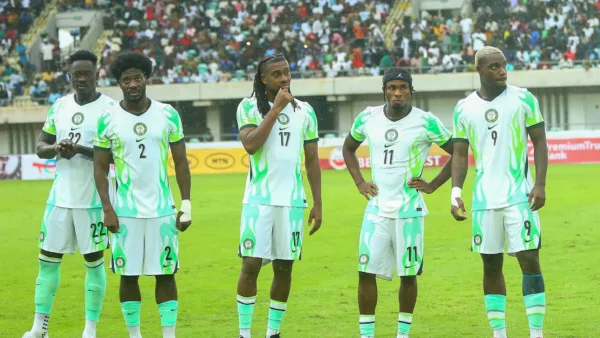
The immediate effect is on the 2027 qualifiers for Nigeria. The Super Eagles are still trying to book their place in Group L after the 3-0 defeat in Guinea-Bissau, so those games now sit inside a cycle that brings another tournament only a year later. In the same way, a quicker turnaround means more chances to qualify, and less time to recover from a bad campaign.
The immediate focus stays on the 2027 qualifiers, with Nigeria due to play Tanzania in November. After that, attention turns to the 2028 edition, including who hosts it and how qualifying will work. CAF has not yet published those details.