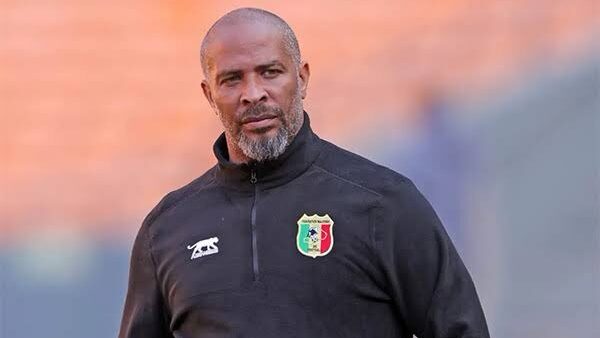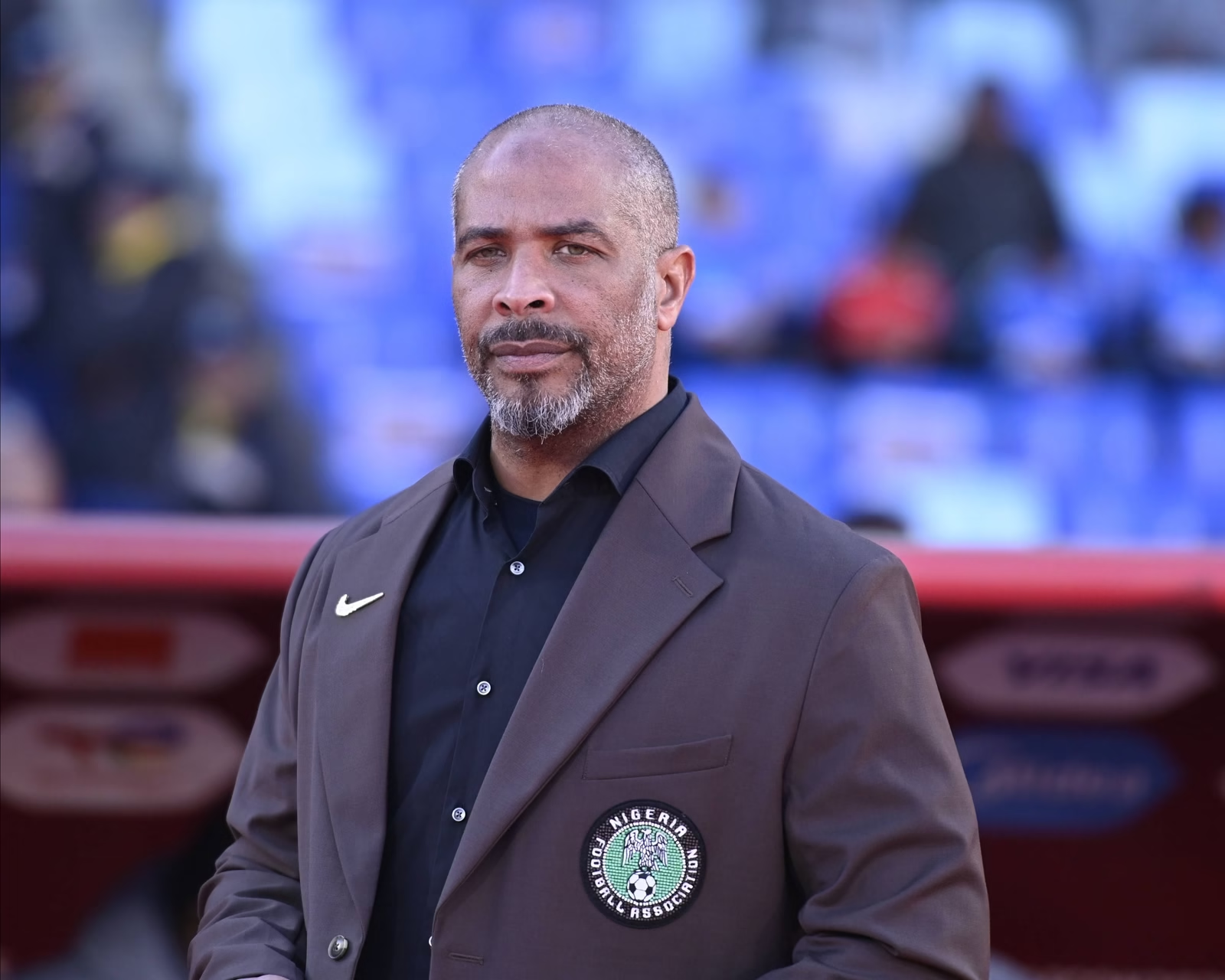
The decision to hand Super Eagles head coach Eric Chelle a new four-year contract with an improved monthly salary has continued to generate debate across Nigerian football.
Just four days after the Nigeria Sports Commission approved Chelle’s contract extension, reports emerged that the Franco-Malian tactician will now earn $100,000 per month double the $50,000 salary he reportedly received when he was first appointed.
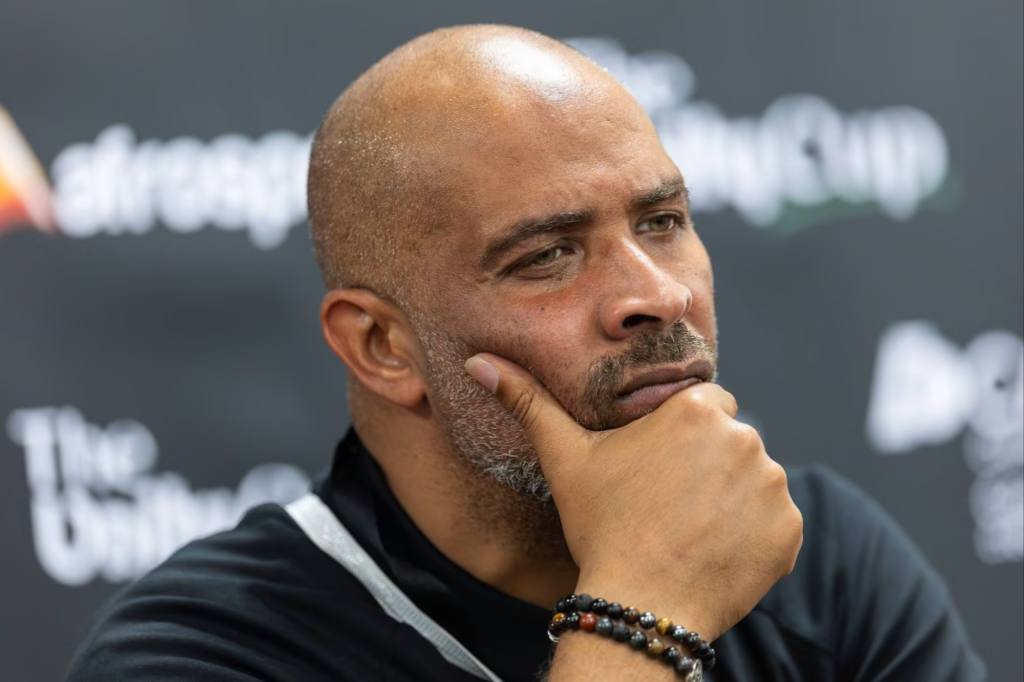
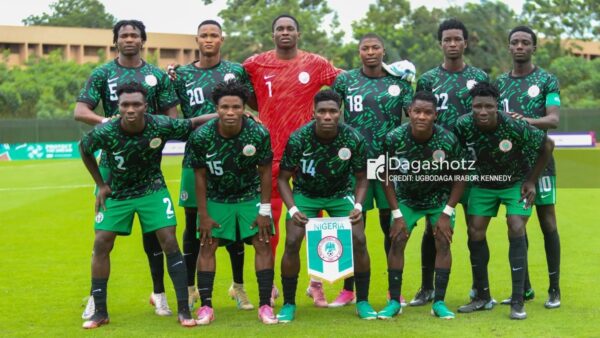
The new deal also comes with additional responsibilities, as Chelle has been tasked with managing both the Super Eagles and Nigeria’s U-23 national team.
However, the arrangement has drawn criticism from several football stakeholders, who believe the workload is excessive and the salary increase difficult to justify.
Former Super Eagles midfielder Garba Lawal was among the first to question whether the Nigeria Football Federation (NFF) can sustain such financial commitments over a long period.
Former Super Eagles coach Finidi George also opposed the decision to place both national teams under one coach, insisting that qualified Nigerian coaches should be given opportunities to develop.
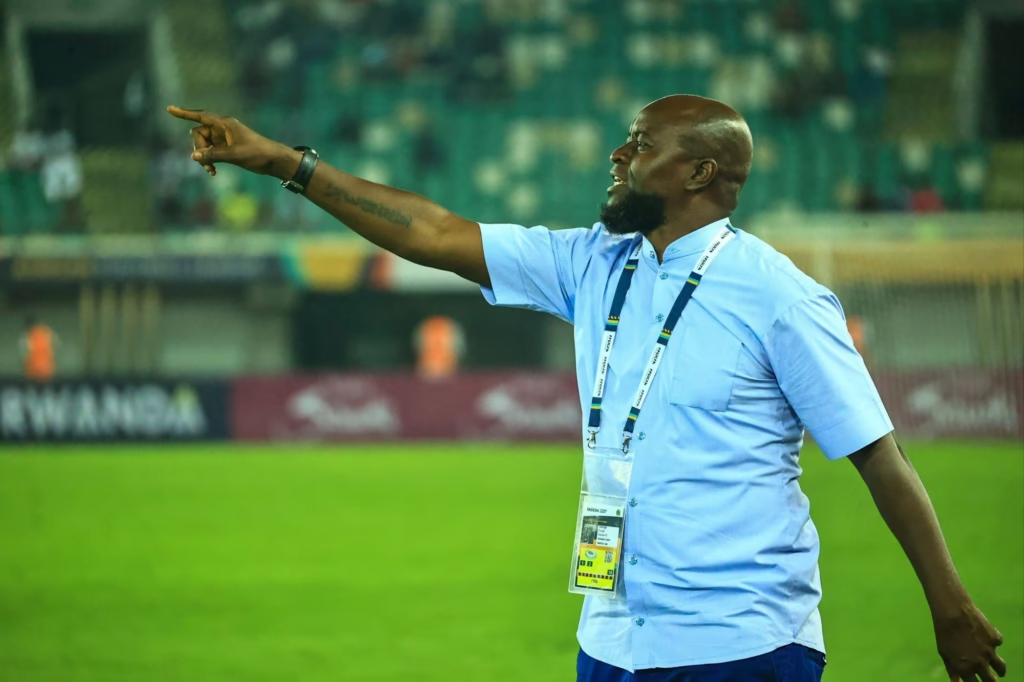
“Super Eagles is already stress enough for him, don’t add more stress to it because you’re paying him $100,000.
“Tell him your expectations and target on Super Eagles and let him concentrate on that. Let him get this job done.
“There are other Nigerian coaches that can do it, let them improve. There should be division of labor.”
Christopher Green Calls for Equal Pay for Local Coaches
Adding his voice to the growing debate, former NFF board member and former Rivers State Commissioner for Sports, Barrister Christopher Green, argued that Nigerian coaches deserve the same financial treatment as foreign managers if they are entrusted with the same responsibilities.
Speaking in an interview with Pan Africa Football, Green questioned the rationale behind Chelle’s salary increase, insisting that nationality should not determine a coach’s earnings.
“I have always advocated for equality. It does not matter where you are coming from, whether you reside in the country, whether you are a national or an expatriate. It is the same job.
“If you are paying Chelle $80,000 or $100,000 per month, the day you are no longer comfortable with him, or the day you fire him, I also want you to pay the same thing to any local coach you want to take over. It is the same job.
“What has made him [Chelle] deserving of this increment? Are the Super Eagles at the World Cup? No, we are not there. That is the benchmark.
“He has taken charge of a team that did not go to the last World Cup, but he saw the job before he took it. Is he deserving of that? That is the question for everyone to answer.”
Chelle Under Pressure to Deliver
With his contract extended and his salary significantly increased, expectations will now be much higher for Eric Chelle.
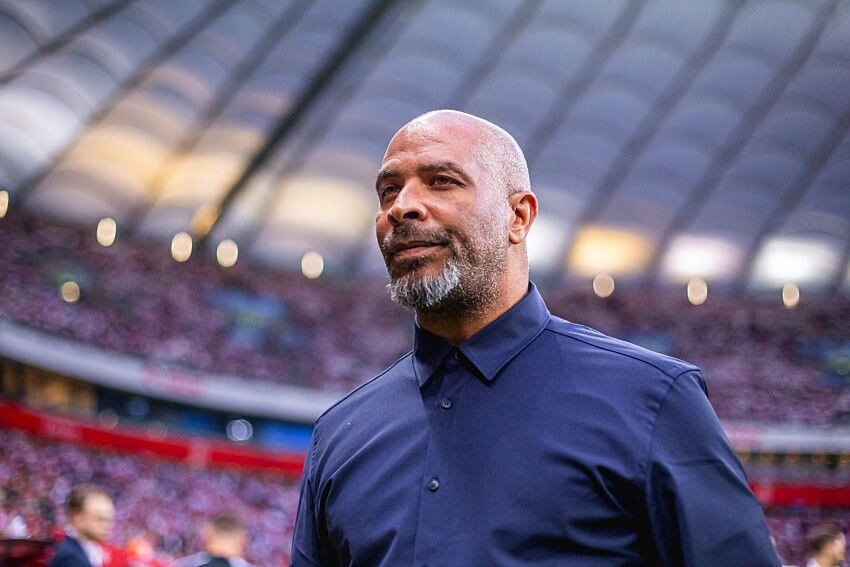
Beyond qualifying Nigeria for the next FIFA World Cup, the former Mali coach is expected to restore the Super Eagles to consistent success on the international stage while also overseeing the country’s Olympic football project.
Whether the NFF’s investment proves worthwhile will ultimately be judged by results on the pitch, but for now, the debate over foreign coaches, local coaches, and equal pay remains far from over.