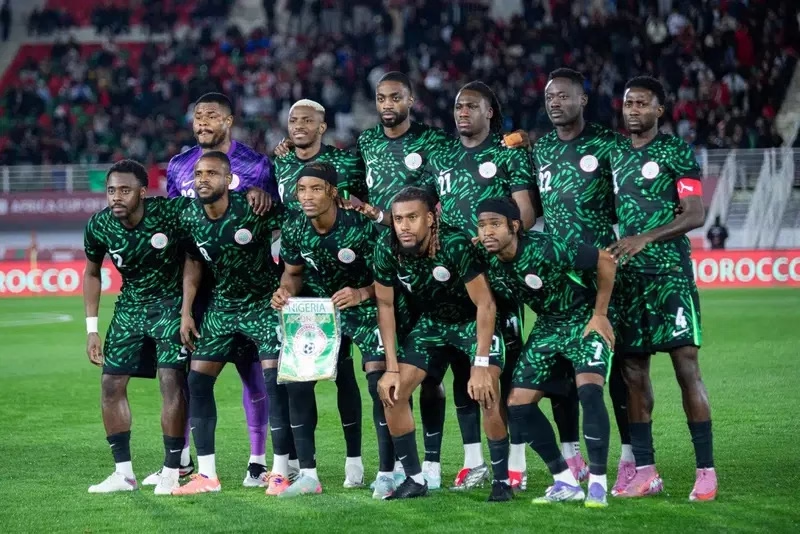
World football governing body FIFA has sent a clear message to Nigeria as preparations gradually begin for the 2030 FIFA World Cup qualification campaign.
After the heartbreak of missing out on the 2026 tournament, FIFA believes the Super Eagles possess enough quality to return to football’s biggest stage, but only if stability is maintained within the national team structure.
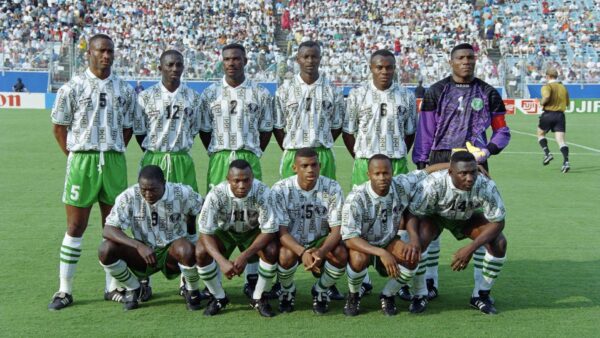
Nigeria failed to qualify for the 2026 World Cup after a disappointing qualifying campaign and subsequent playoff defeat, extending the country’s absence from the competition to two consecutive editions. It marked the first time since the late 1980s that the Super Eagles would miss back-to-back World Cups.
FIFA identifies key factor for success
According to FIFA’s assessment, Nigeria’s chances of qualifying for the 2030 tournament will depend heavily on consistency and stability within the national team setup.
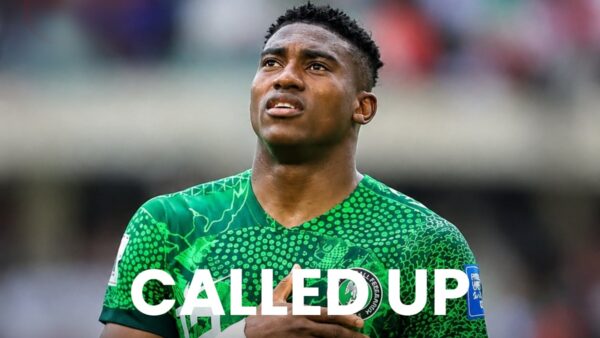
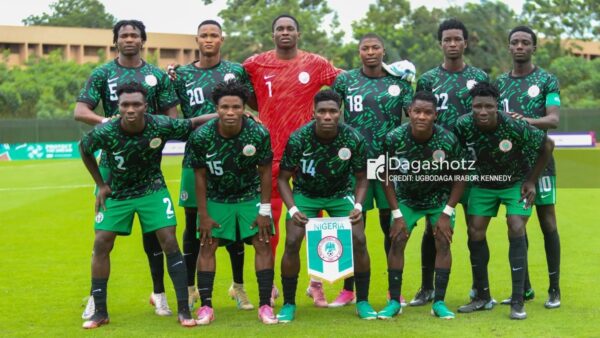
The global football body noted that the Super Eagles have no shortage of talent. With players such as Victor Osimhen, Ademola Lookman, Victor Boniface, Wilfred Ndidi and Ola Aina among the country’s established stars, Nigeria remains one of Africa’s strongest football nations on paper.
However, FIFA stressed that talent alone may not be enough. Administrative stability, long-term planning and continuity in technical leadership could prove decisive as Nigeria attempts to avoid another qualification setback.
Lessons from 2026 disappointment
The failure to reach the 2026 World Cup remains a painful chapter for Nigerian football.
The Super Eagles struggled for consistency during the qualification campaign before eventually falling short of securing a place at the tournament. The disappointment sparked widespread criticism and renewed calls for reforms within Nigerian football administration.
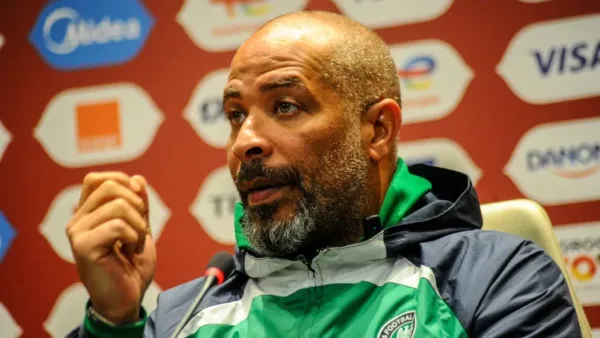
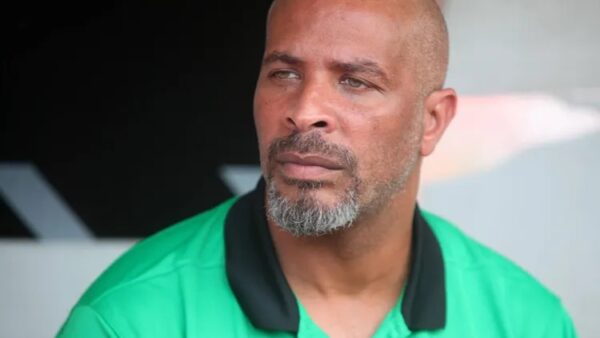
Since then, efforts have been made to rebuild the team under coach Eric Chelle, with attention now focused on creating a structure capable of delivering sustained success rather than short-term results.
Eyes on 2030
The 2030 FIFA World Cup will be jointly hosted by Morocco, Spain and Portugal, with opening matches also scheduled to take place in Uruguay, Argentina and Paraguay as part of the tournament’s centenary celebrations.
While qualification matches are still some distance away, discussions have already started about how Nigeria can position itself to secure a return to the global showpiece.
FIFA’s message serves as a reminder that the Super Eagles already possess the quality needed to compete with the best teams in the world. The challenge now is ensuring that the structures around the team are strong enough to turn that potential into qualification success.
After the disappointment of 2026, Nigerian football will be under pressure to get things right when the road to the 2030 World Cup officially begins. The expectation from fans and stakeholders alike is simple: the Super Eagles must be back on football’s biggest stage.