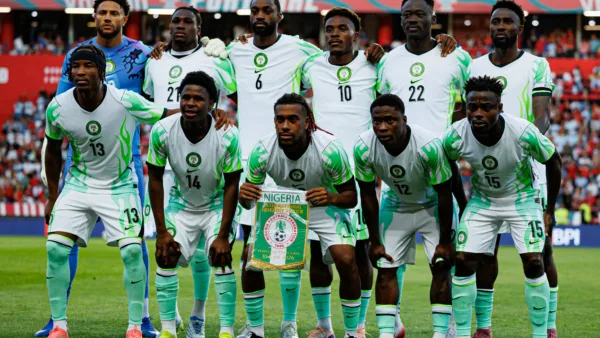
The debate over the Super Eagles captaincy has resurfaced following fresh discussions about how leadership decisions are made within the national team setup.
Nigeria have experienced several captaincy changes over the last decade, with different coaches adopting varying approaches when selecting the player responsible for leading the team on and off the pitch. The issue has once again become a talking point after comments suggested that administrative considerations have occasionally influenced the process.
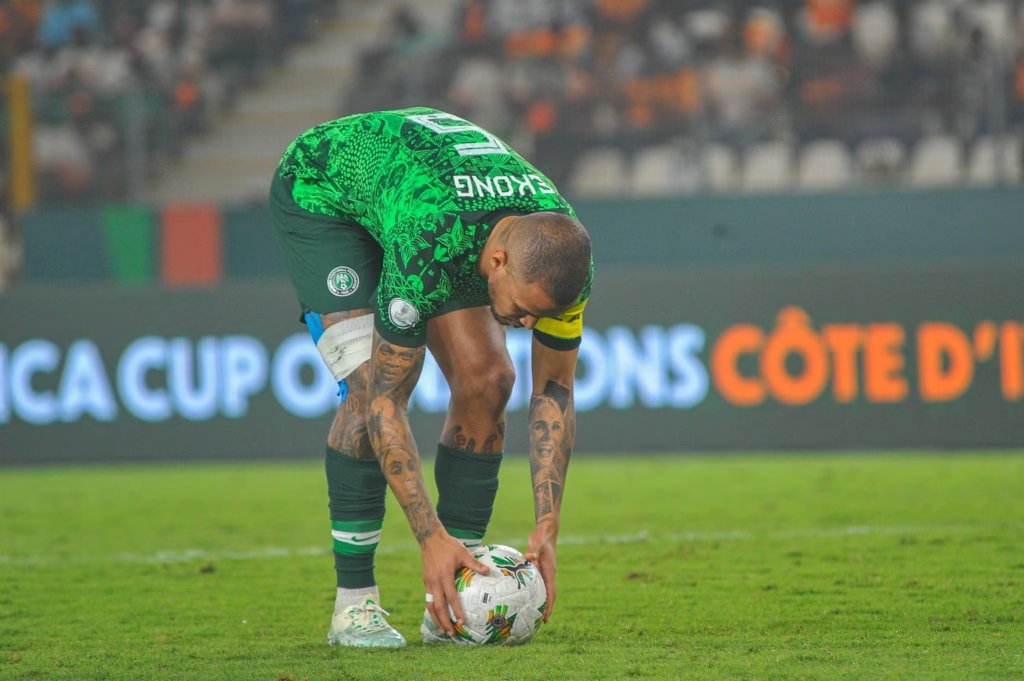
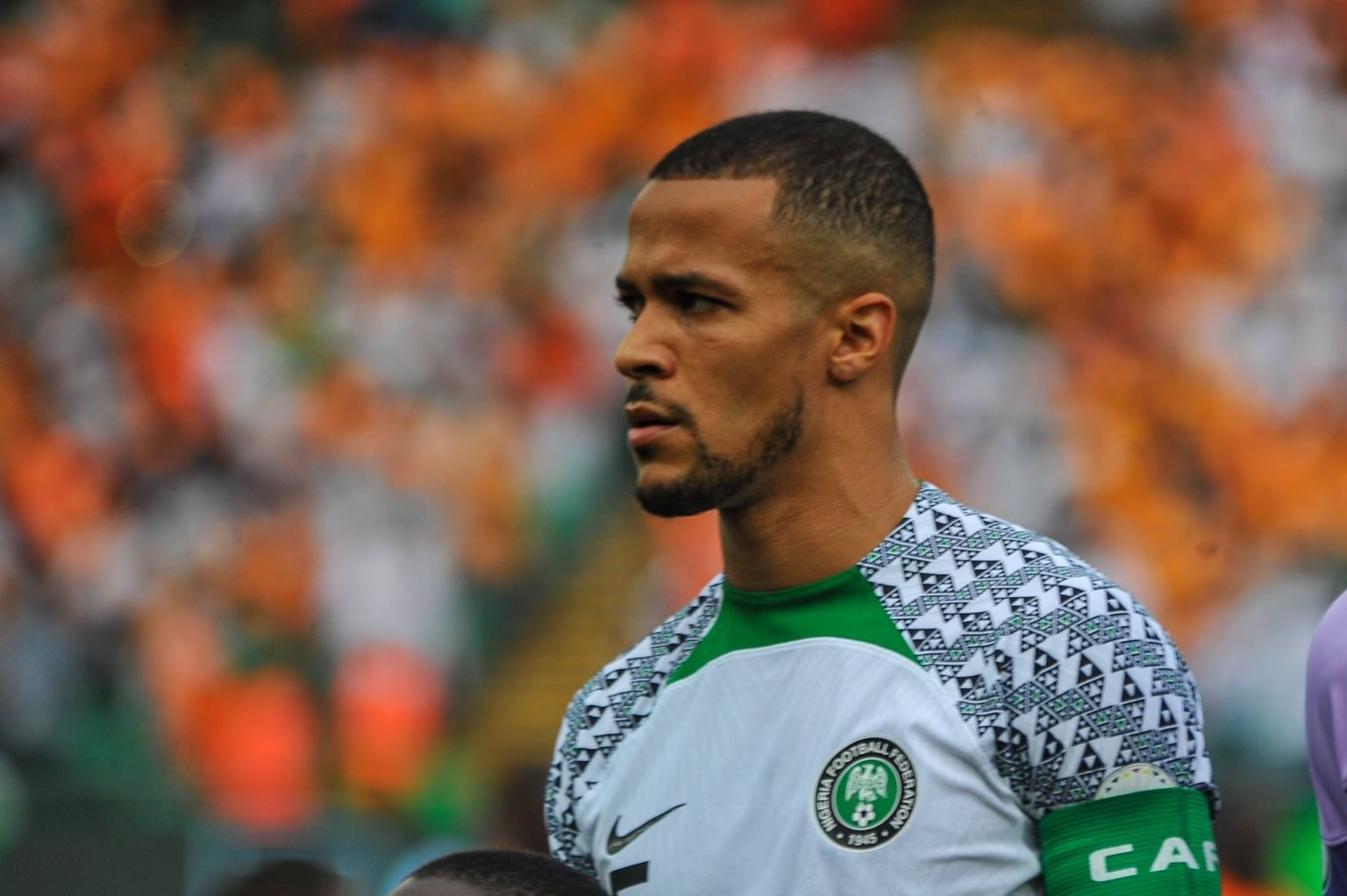
Ndidi currently leads the Super Eagles
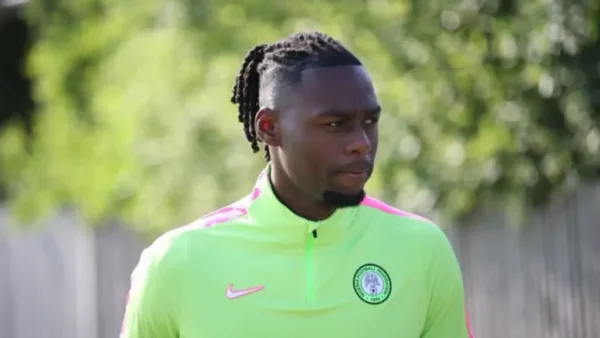
Leicester City midfielder Wilfred Ndidi has emerged as one of the senior figures within the current squad and has worn the captain’s armband in recent international matches.
The experienced midfielder is among the longest-serving players in the national team and has become a key member of the squad through his consistency and leadership qualities. His role has grown further following the gradual transition from the generation led by Ahmed Musa.
Captaincy decisions remain a sensitive topic
Leadership within the Super Eagles has often generated debate among supporters and football stakeholders.
While some coaches prefer to appoint captains strictly on merit and influence within the squad, others have considered factors such as experience, longevity and the broader dynamics of the dressing room.
The latest discussion has again highlighted the delicate balance between technical decisions and administrative considerations in Nigerian football.
Focus remains on team success
Despite the conversations surrounding the captaincy, the primary focus for the Super Eagles remains improving performances on the pitch.
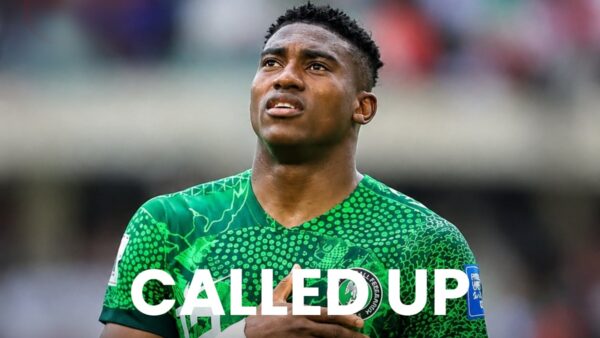
Nigeria are continuing their rebuilding process under head coach Eric Chelle following the disappointment of missing out on qualification for the 2026 FIFA World Cup. The coaching staff are expected to rely heavily on experienced players such as Ndidi, Alex Iwobi, Victor Osimhen and Ademola Lookman as they prepare for upcoming competitions.
The identity of the captain is important, but what matters most is creating a united squad capable of returning Nigeria to the summit of African football.
As preparations continue for future assignments, the captaincy discussion is unlikely to disappear completely. However, the Super Eagles’ ability to perform consistently and compete for major honours will ultimately remain the true measure of leadership within the team.